School may not be fully back in session, but this A+ scent-sational lesson deserves your attention
So grab your metaphorical backpack and get ready to sharpen your pencils—and your sense of smell. Think of this as your scented syllabus—everything a perfume wearer should know, from top notes to dry downs. (Don’t worry, there’s no final exam in sight.)
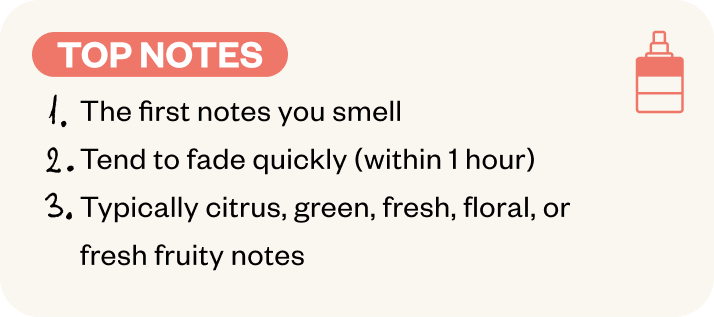
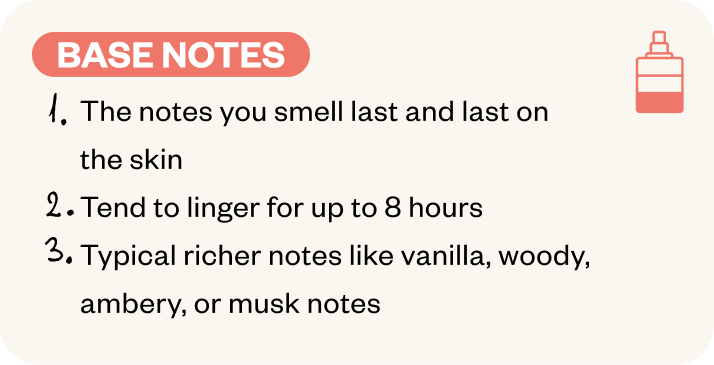
What Are Top, Heart, & Base Notes?
What Are Fragrance Families?
Now that you know how a fragrance unfolds, let’s zoom out and look at the bigger picture: What exactly you’re smelling, and how it’s categorized across fragrance families, or classifications based on dominant characteristics. Now, which fragrance families each perfume belongs to is an ongoing debate within the world of expert perfumers.
A fragrance can contain up to 100 different notes or ingredients. So, sometimes, the fragrance’s dominant notes are obvious and draw an immediate consensus. While with other perfumes, that’s not the case for other perfumes. Essentially, it’s a classic case of which comes first: the artist or the critic?
To simplify the fragrance classification process, our team of expert perfumers decoded––or denoted––the Dossier way: letting go of the pretense to create intuitive categories instead of relying on fancy olfactive terms like chypre or fougère. This approach led the Dossier Creative Lab to define six unique olfactive families that serve as the foundation for every composition we develop.
Looking to create the perfect scent wardrobe? Keep studying—er, reading—to find out more, plus discover our top-sellers in each category.
Overview of The Six Dossier Fragrance Families:
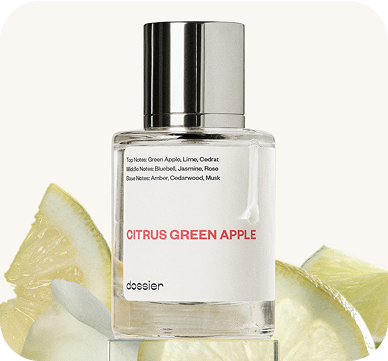
Fresh
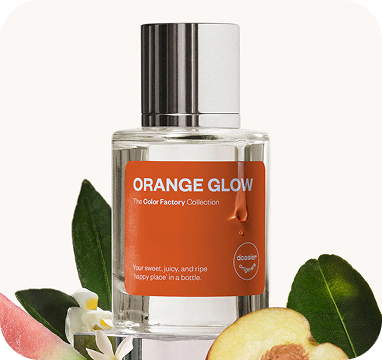
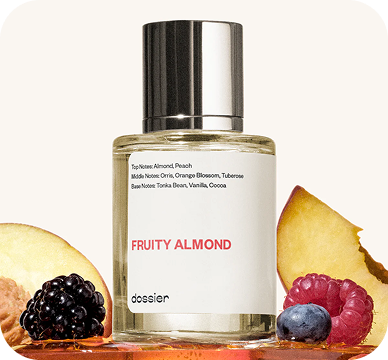
Gourmand
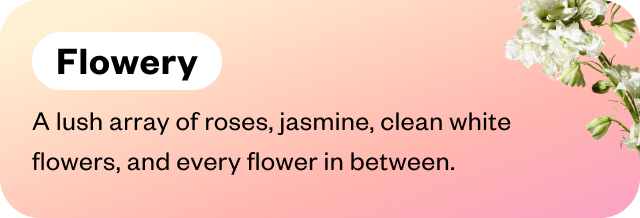
Flowery
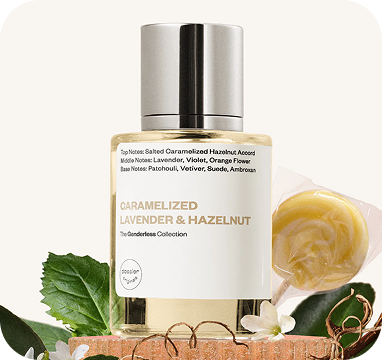
Herbal
Warm
Earthy
How Do I Make My Fragrance Last?
Now that you’ve studied up on the olfactory wheel, it’s time to make it last. But if you want to still catch a whiff of what you spritzed hours later, know that it starts long before you spritz: One of the biggest factors that informs fragrance longevity is concentration. Because our perfumes range from 12% to 25% perfume oil—a serious boost compared to, say, a body mist or eau de toilette—they have a lot more staying power.
But it’s not just about strength: It’s also about what’s inside. Scents with warm, rich base notes like vanilla, amber, musks, and woods tend to stick around longer than their fruity-floral, aquatic, or citrusy counterparts. That said, there are a few tried-and-true strategies to ensure your scent wafts and wears to its fullest potential:
- First, be sure to apply it to hydrated skin, which holds fragrance better and for longer.
- You can also apply it directly to your shirt from a safe distance, as fabric tends to hold onto fragrance longer than skin.
- Lastly, spritz more than once: Two to four spritzes directly onto the skin—no mist-walking or wrist-rubbing—keeps the scent going longer. Just be sure to let your perfume dry naturally and let it unfold the way it was designed to.
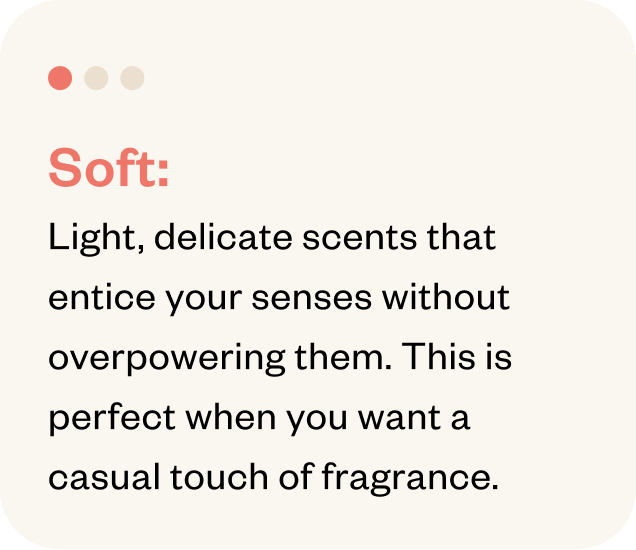
What Is Dossier’s Intensity Scale