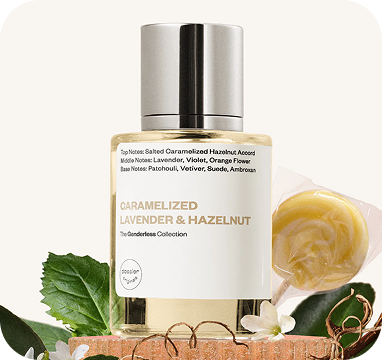
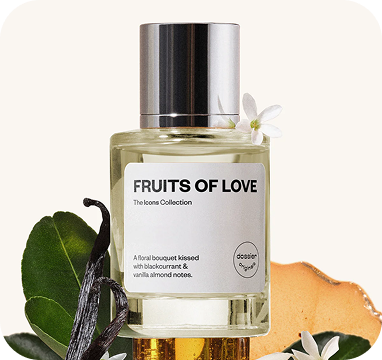
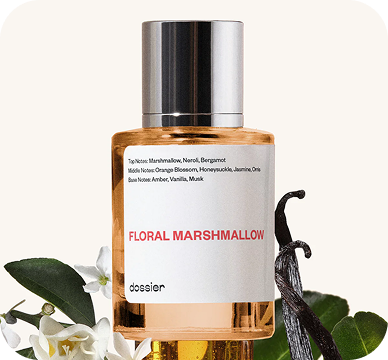
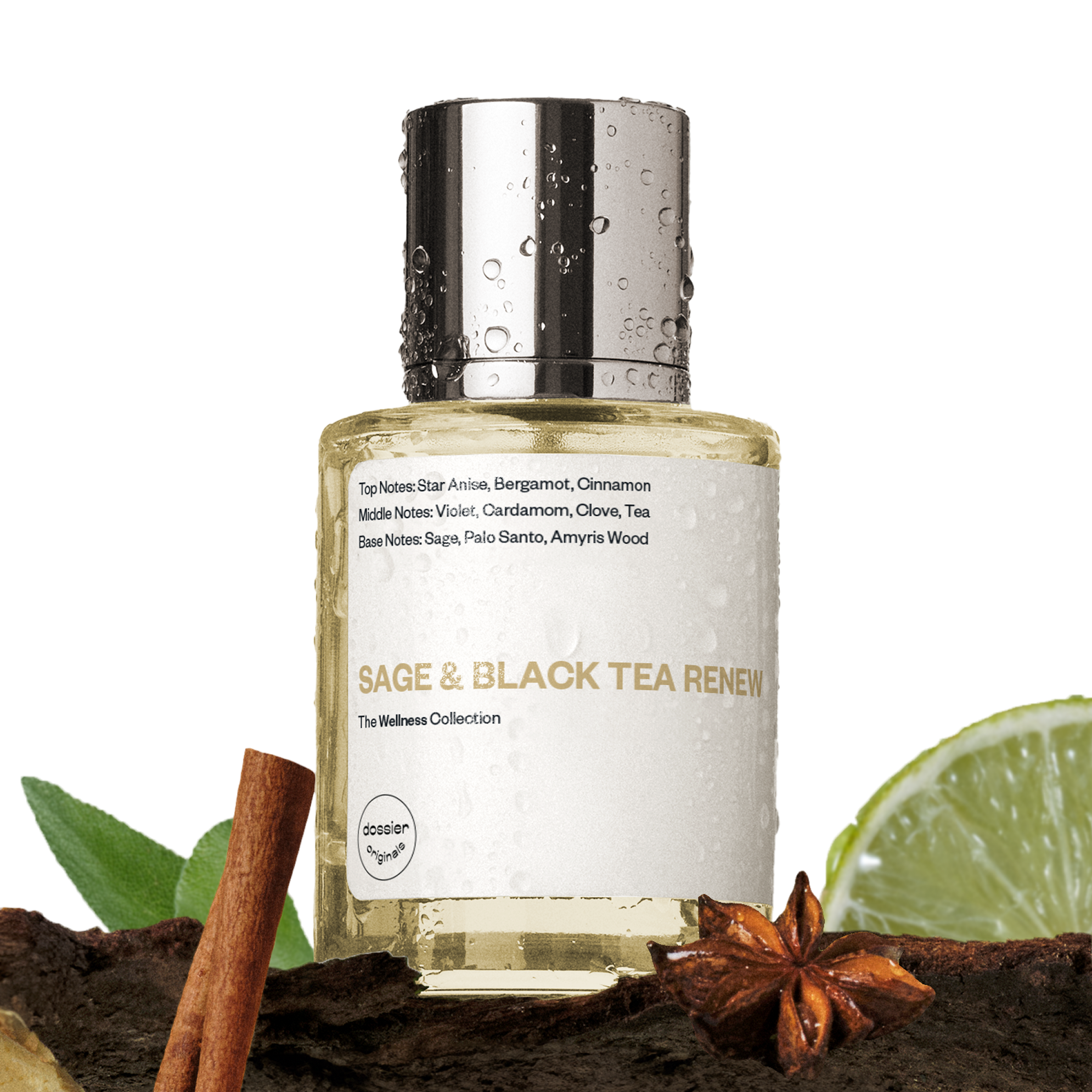
An inside look at The Creative Lab and our experts’ perfume process. Take notes.
At Dossier, we know true luxury isn’t about the price tag. It’s about the entire process, and what happens beyond the bottle: the fields we walk source from, the people we collaborate with, and the creative precision that transforms raw ingredients into unforgettable scent-sational fragrances. Behind every spritz is a complex story steeped in unmatched creativity, French craftsmanship, and an uncompromising dedication to scent transparency.
And now, we’re lifting the veil on the secrets of French perfume making, taking you on a journey from brainstorm to bottle. Ready to take a behind-the-scenes journey into the heart of French perfumery from the hills of Grasse to our Creative Lab and straight into your most scent-sational fragrance wardrobe? As the French say, c’est parti!
The Dossier Creative Lab in Grasse, France
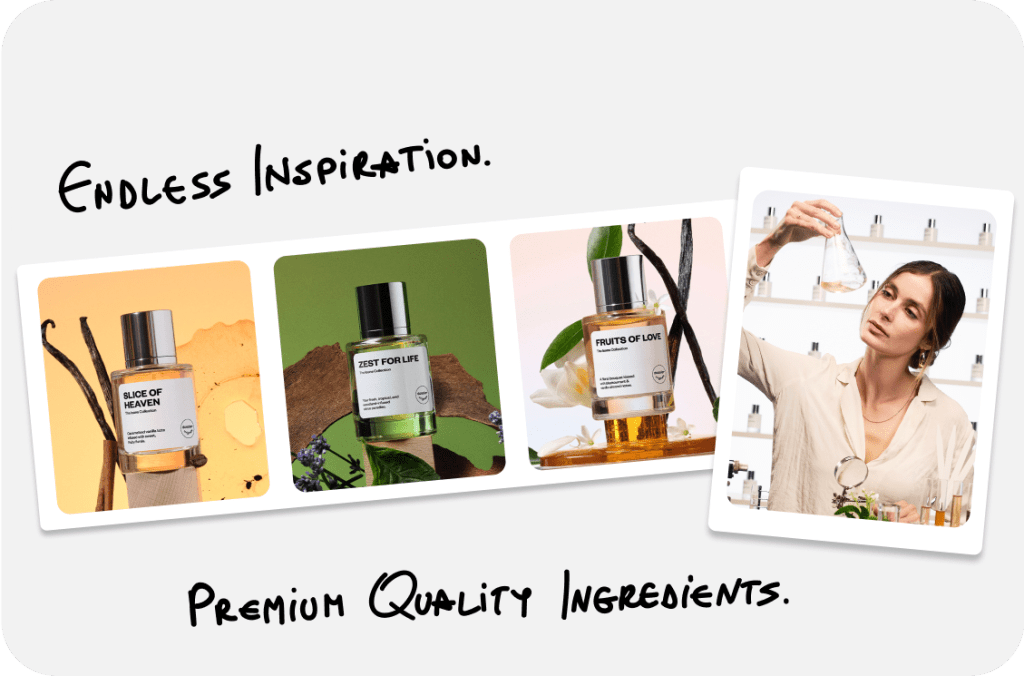
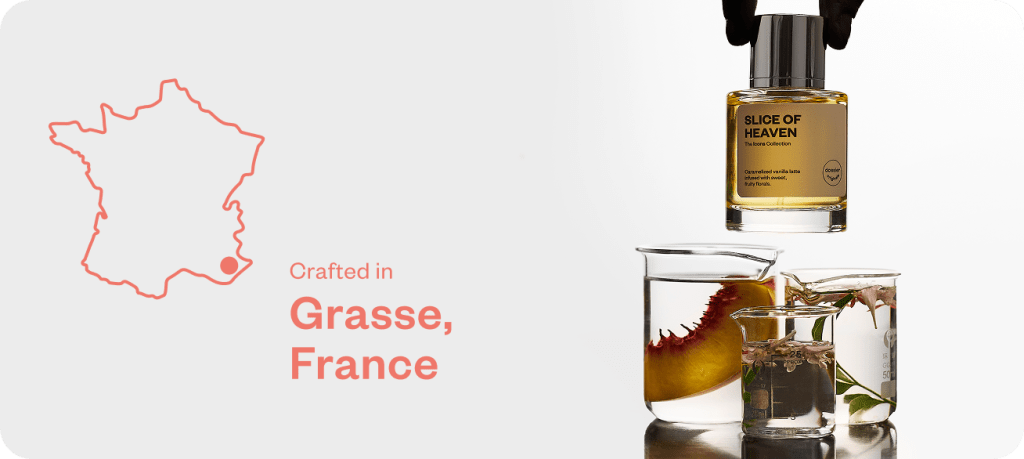
At the core of Dossier’s perfume creation is our Creative Lab, our centralized hub of scent curators, trend forecasters, suppliers, and expert noses who ensure every fragrance is meticulously crafted. The heart of the Creative Lab resides in Grasse, France, a picturesque town in the South of France that’s often dubbed the world capital of perfumery. Here, our fragrance ideas turn into formulations, guided by experienced perfumers who approach each blend like a fine art.
Our creative process begins with inspiration. While Impressions are designer-inspired, every fragrance’s conception stems from the entire team’s devotion to keeping their eyes, ears, and noses open to all of the fragrance trends, popular perfumes of the moment, and sensing the white spaces in the scent world.
Once an idea is born, our perfumers set out to blend the finest ingredients sourced globally, ensuring each fragrance is a masterpiece (without the excessive markups you’d find at a traditional luxury house).
Sourcing Raw Materials
Grasse has been home to the art of fragrance creation for centuries, producing some of the finest raw materials and expert noses in the industry. While often inspired by the fragrant French region, our core ingredients—including the rare Damask rose, which is grown in places like Bulgaria and Turkey— are sourced from the best-in-class global suppliers. Many time-sensitive, labor-intensive practices are what preserve the rose’s purity and potency—something we take seriously when sourcing for fragrances like Floral Peony, Floral Rose, and Rose & Basil Bliss. In fact, every rose must be distilled into oil on the same day it’s picked, or it loses its aromatic structure. And just like wine or coffee, the “terroir,” or the environment where the rose is grown, can deeply influence how its aroma develops. For example, rosa damascena from Bulgaria’s Rose Valley tends to be softer and more honeyed, while the same species grown in Turkey may smell richer and spicier. We work to source raw materials that meet our high standards— not just for scent, but for sustainability and traceability too. So when we say we’ve handpicked these blooms for you, we mean it literally! But sourcing the right ingredient is only the beginning.
Getting To Know The Fragrance Pyramid: Top, Heart, & Base Notes
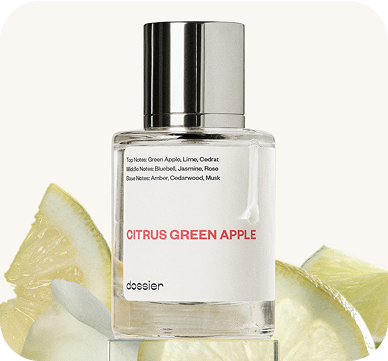
While each scent boasts a combination of different notes, each one plays an important, often contrasting role in how a fragrance evolves from the first spritz. Fragrance notes are separated into three categories: top, heart, and base notes, all of which work together to create a scent’s unique character. At the top are bright and fleeting top notes (often citrus, green, or fresh fruity-florals), which create the first impression but quickly fade. Following this, heart notes (like aromatic, spicy, or gourmand notes) take center stage for a few hours, offering the core character of the fragrance with more depth and complexity. Finally, the base notes provide the lasting foundation, anchoring the scent with rich, enduring aromas like vanilla, woody, ambery, or musk notes that linger on the skin for up to eight hours. This pyramid ensures a dynamic olfactory journey with each spritz.
Fragrance Structure and Families
But true French perfumery isn’t just about notes: It’s also about structure, too. There are a few classic formats that have defined how perfumes are built, including chypre (pronounced sheep-rah), a complex structure that combines a citrus top, a floral or fruity heart, and a distinct woody or mossy base; fougère, which is typically aromatic and traditionally masculine; and ambery, which are warm, resinous notes like amber, vanilla, benzoin. Crafting the perfect structure is key to a balanced, lasting fragrance. And at Dossier, every formulation goes through dozens of iterations until the pyramid is perfectly aligned. Even more, Dossier’s fragrances are developed around six basic scent families, all defined by their primary scent types and accords that form the fragrance’s main theme or personality:
Fresh
Gourmand
Flowery
Herbal
Warm
Earthy
Cracking The Code: Dossier’s Naming System
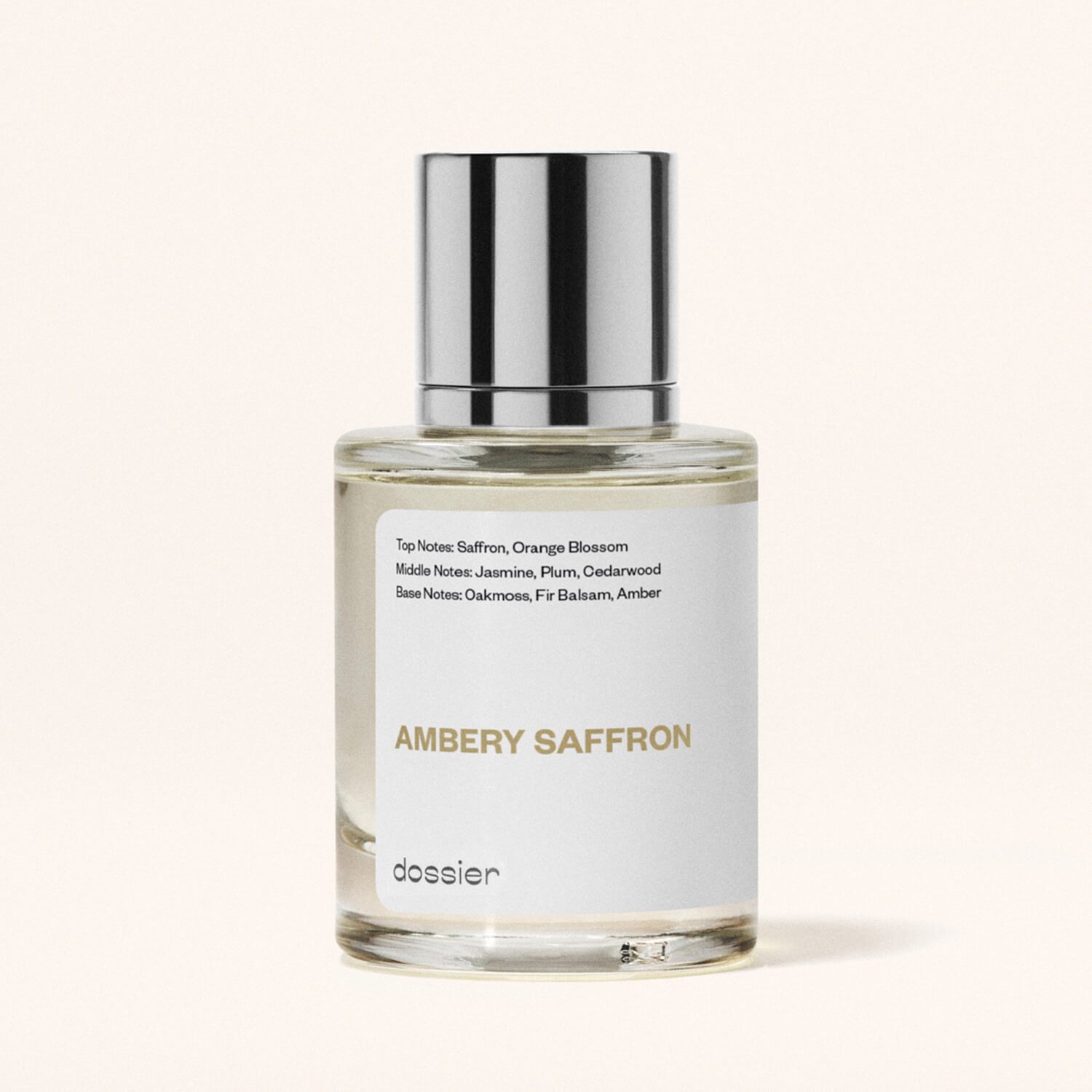
And our two-part naming format? The first word reflects the fragrance family, the second part highlights a key ingredient. For example, Gourmand White Flowers is a decadent, floral gourmand, inspired by Viktor & Rolf’s Flowerbomb. Meantime, Woody Sandalwood is a unisex, grounded scent inspired by Santal 33. And of course, Ambery Saffron is a radiant, viral hit inspired by MFK’s Baccarat Rouge 540. This system isn’t just aesthetic: It gives you insight into what you’re about to experience before the first spritz.
Meanwhile, as the product line name suggests, all Dossier Originals collection product names are, well, highly original. The team uniquely crafts the inspiration, olfactive profiles, and vibe of each collection.