Delightfully Delicious: A Deep Dive Into Gourmand Perfumes

Learn the history, meaning of, and our best gourmand perfume recommendations.

From Instagram to #PerfumeTok, everyone’s buzzing about gourmand fragrances. Sweet, fruity, nutty, or savory—gourmands have all the makings of a viral fragrance, especially in a world where we often have to “smell” through a screen.

According to Merriam-Webster, “gourmand” is defined as “one who is excessively fond of eating and drinking.” In other words, gourmand fragrances are the epitome of edible indulgence. Ever wonder about the French perfume that gave us the gift of gourmands? Look no further than Thierry Mugler’s Angel, which exploded onto the scene upon its release in 1992. (Take a peek at our designer-inspired version of it.)

The original Angel perfume was born to bottle up Mugler’s desire for scents that smelled like his favorite childhood memories. To craft this unique fragrance, Mugler needed to rewrite the olfactive rulebook. The perfume category-pioneering secret? An overgenerous use of ethyl-maltol, a synthetic molecule that was often previously used in the flavor industry.

P.S. Ethyl-maltol smells like a delectable mix of cooked fruits, caramel, cotton candy, praline, brown sugar, and grilled almonds!

Since that iconic release, gourmands (especially ones like Angel blended with patchouli) have become a staple in the perfume world, touted by celebrities, influencers, and perfumers alike.

What Is a Gourmand Perfume?

Gourmand perfumes are inspired by edible delights. Traditionally, they’re sweet and warm—wafting notes of vanilla, praline, caramel, chocolate, cotton candy, and other confections. While this might sound intensely sweet, a good gourmand perfume counterbalances those sugary notes with musks and florals to create a beautifully-complex fragrance. 

When it comes to classifying gourmand scents, many fall outside the basic scent families of amber, floral, fresh, and woody. In fact, more and more perfumers consider gourmand its own fragrance family entirely. At Dossier, we’ve categorized our collection into six unique scent families: Flowery, Fresh, Herbal, Earthy, Warm, and Gourmand. 

As gourmands have evolved, many different impressions have emerged. Some lean into lush fruits or soft honey, while others revolve around buttery or nutty scents. The one thing they all have in common? They’re absolutely mouthwatering.

Why Are Gourmand Perfumes So Popular?

Gourmand fragrances tend to smell familiar. Their food-like qualities bring to mind decadent desserts, juicy fruits, sweet roasted nuts, comforting drinks, and all the warm nostalgia that comes with them. These distinct, evocative notes also make it easy to describe gourmand perfumes (and, in turn, understand what they smell like). This is key in a world where many people are discovering new fragrances through social media and online content.

Trending Types of Gourmand Fragrances

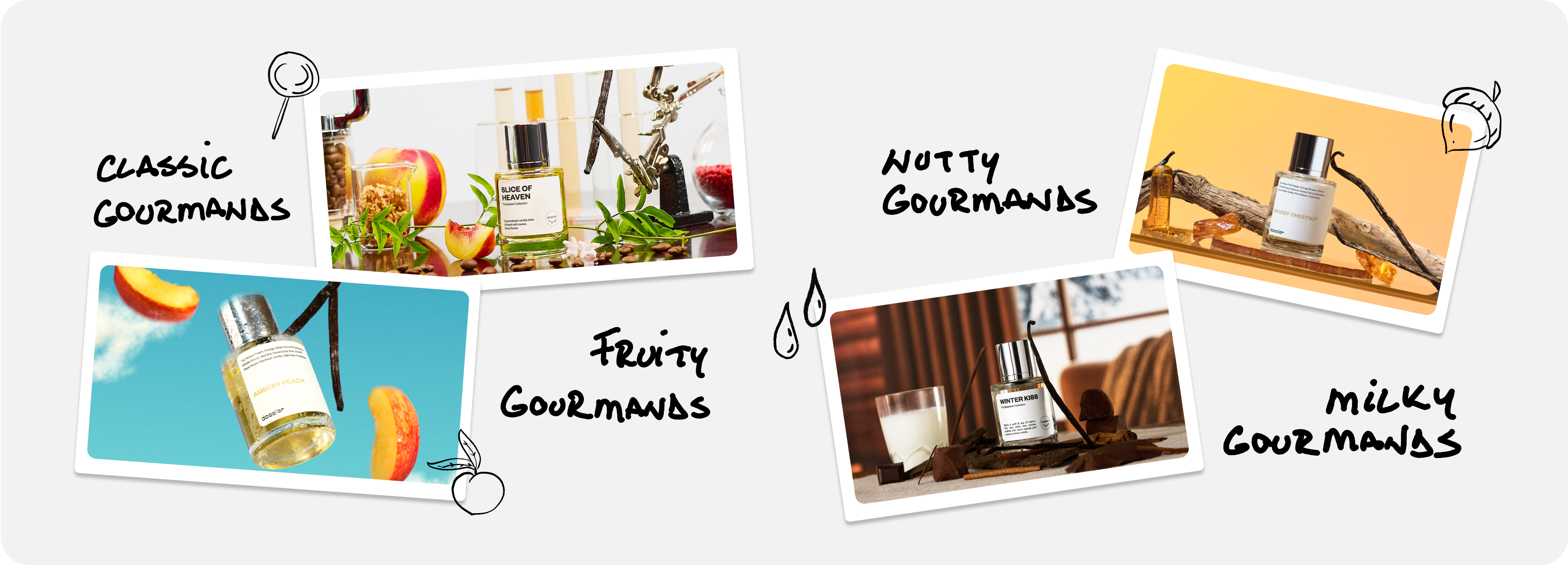
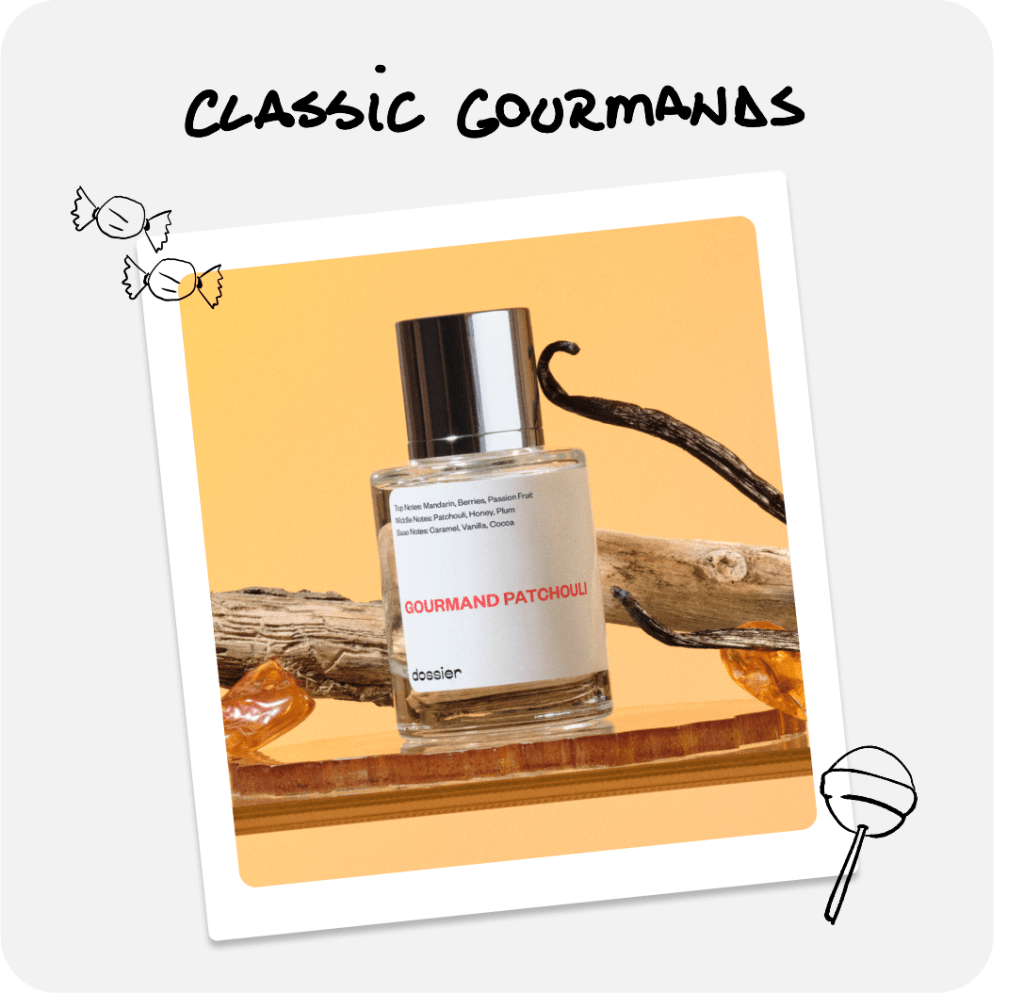
Classic Gourmands
They never go out of style. These are the sweet, dessert-like scents reminiscent of your favorite confections and baked goods.
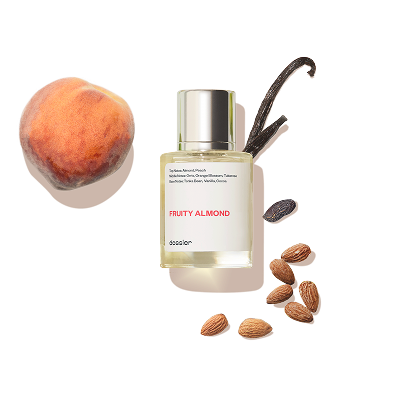
Fruity Gourmands
Stone fruit gourmands (like cherry, plum, and peach) have been particularly popular this year, while fruits like ripe raspberry, pear, and apple offer a timeless, sweet touch.
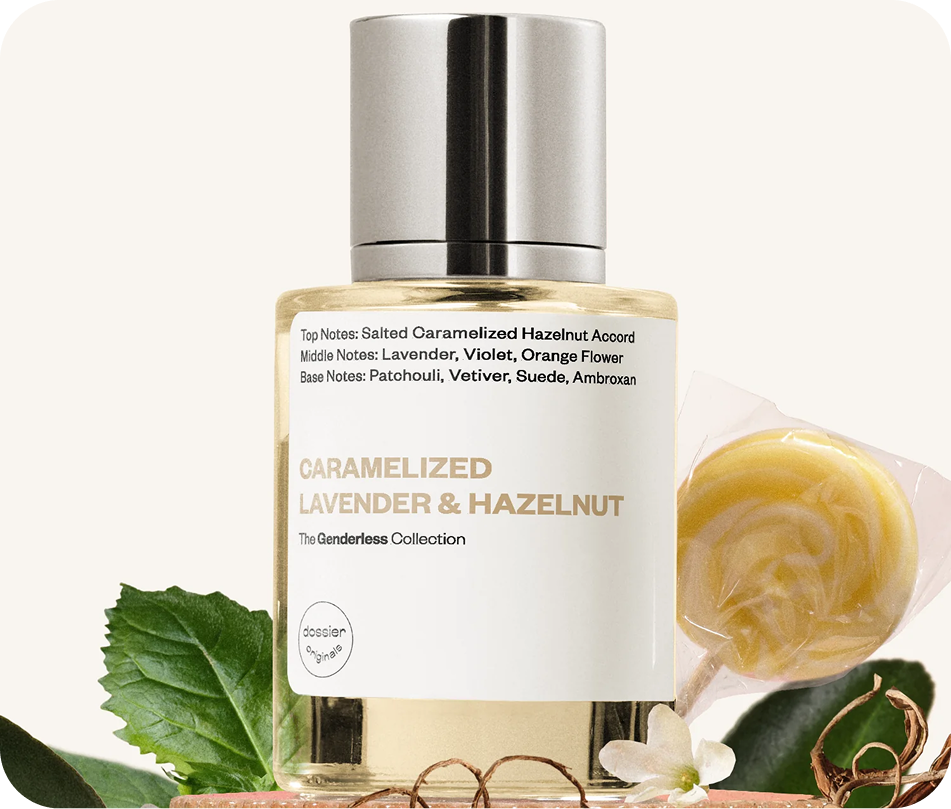
Nutty Gourmands
Think: Pistachio, almond, hazelnut, and beyond—often mixed with classic gourmand notes.
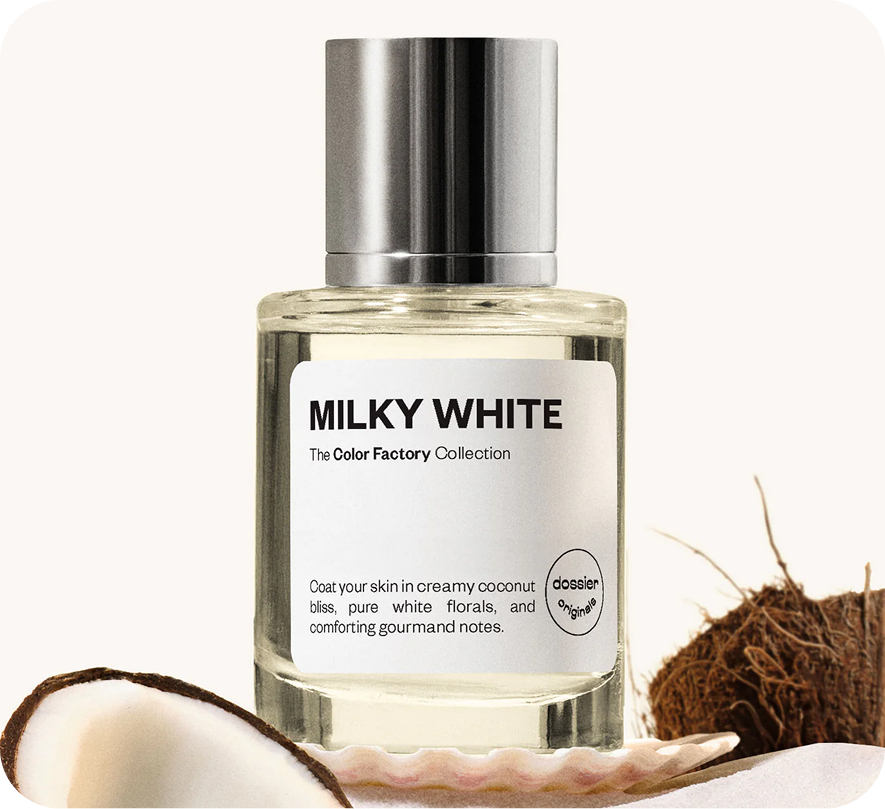
Milky Gourmands
These lactonic fragrances offer a creamy alternative to your typical, more cloying, and sugary gourmand perfume. They’re ultra-trendy (and all our versions are dairy-free).
No matter which gourmand fragrance you choose, you can’t go wrong when a perfume smells good enough to eat. From sweet to nutty to savory, these scents are best worn in cooler weather, in the evening, or layered with your favorite ambery fragrances.
 
Explore our full scent menu of gourmand perfumes here.
Share
Pin
Tweet
Comments

What do you think?